
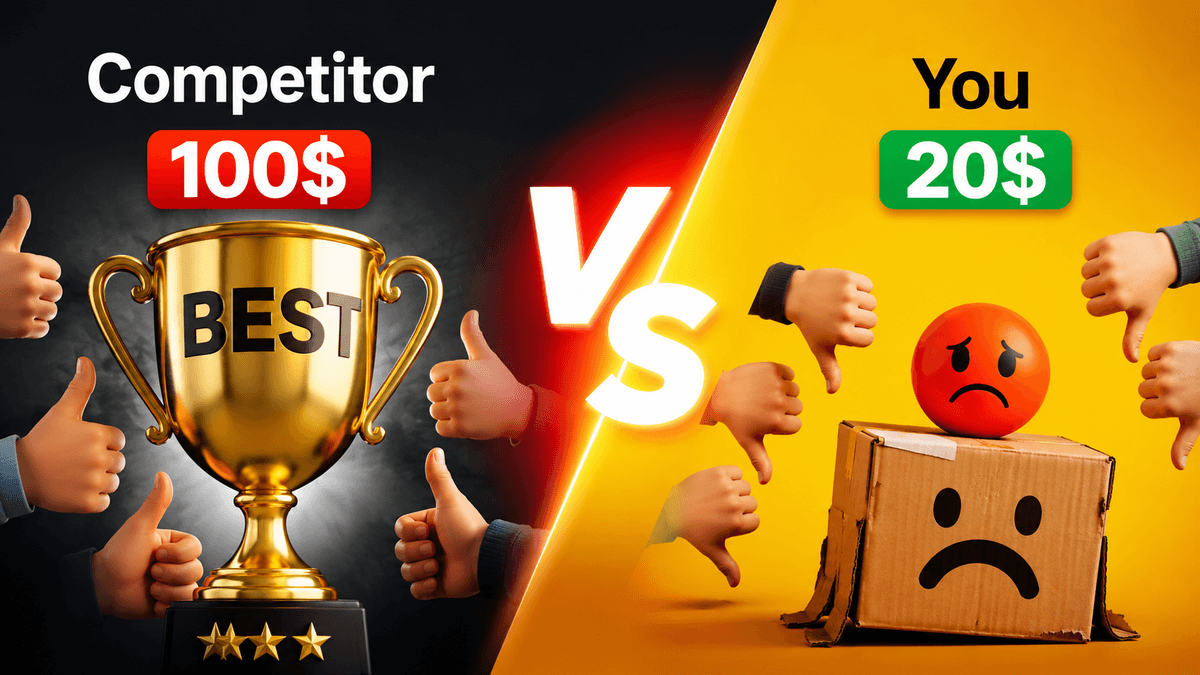
You have a great product. You know the quality is top-notch. You have even compared your prices with competitors and found you are reasonable.
But still, your customers say: “It’s too expensive.”
You feel stuck. You think about lowering prices, offering discounts, or running a “cheap” sale.
Stop right there.
The problem is NOT your pricing strategy. The problem is something much deeper. As the saying goes: Galti pricing ki nahi hai. Galti ye hai ki aap apni target audience me trust build nahi kar paa rahe ho.
Let me explain why trust is the new currency of 2025 and how to fix this gap.
Why “Expensive” Is Just Another Word for “Risky”
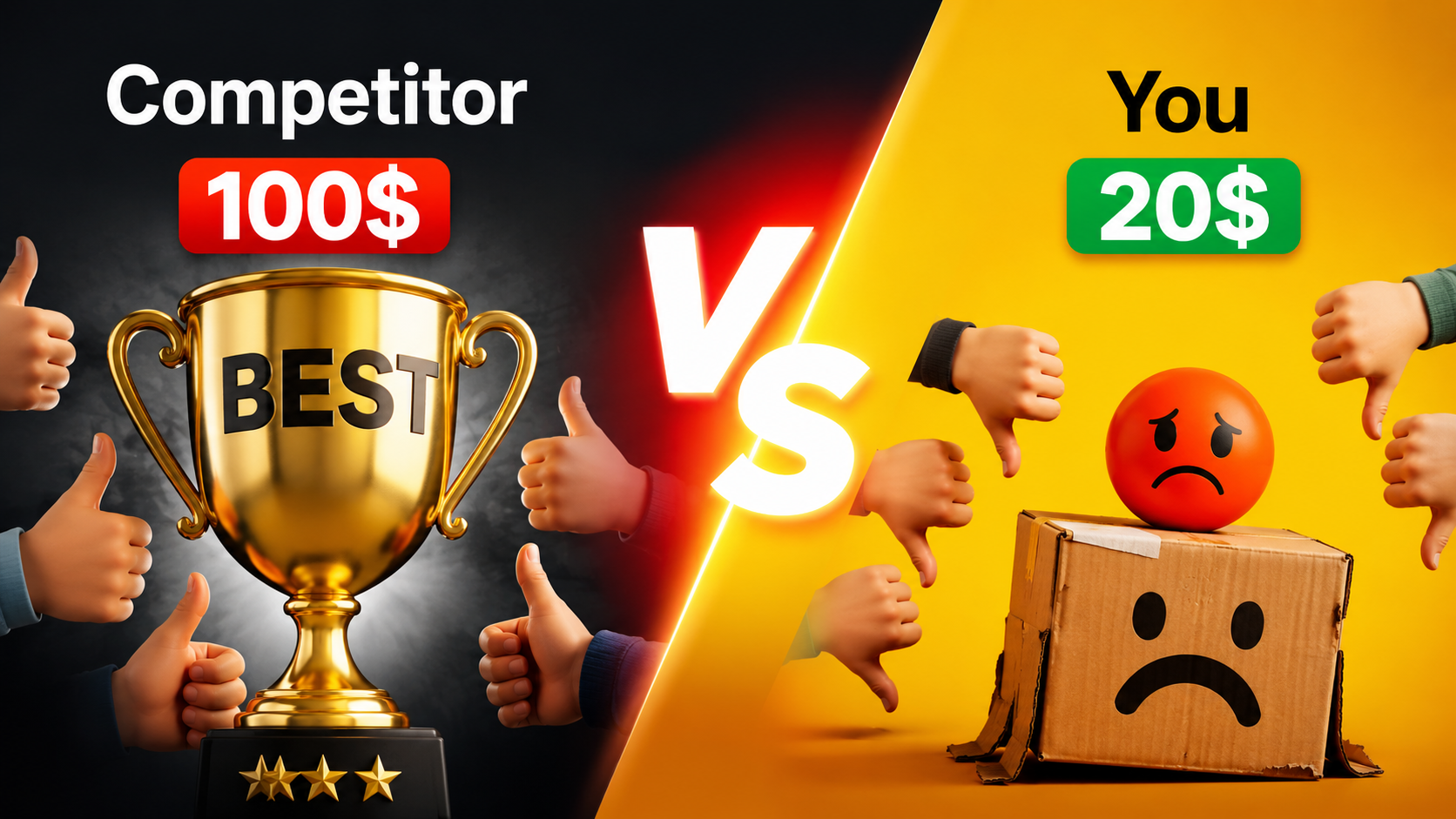
When a customer says your product is expensive, they are not doing math. They are feeling fear.
In their mind, they are thinking:
“What if I pay this money and get no result?”
“What if this seller disappears after payment?”
“What if the quality is bad?”
When there is low trust, every price feels high. Why? Because the customer is buying the risk along with your product. If they don’t trust you, the risk feels huge. So your price feels huge.
But when trust is high, the price becomes irrelevant. A customer happily pays a premium to someone they believe in.
5 Reasons Your Audience Doesn’t Trust You (And Why They Call You Expensive)
Let’s diagnose the real issue. Here are the trust gaps killing your sales:
1. You Have No Social Proof (Reviews & Testimonials)
In 2026, nobody trusts brands. People trust other people. If your website has zero reviews, low ratings, or no case studies, the customer feels alone. They feel you are hiding something.
2. You Don’t Show Your Face or Story
An anonymous brand feels dangerous. If your “About Us” page is empty or generic, customers think you are a fly-by-night operator. People buy from people they know, like, and trust.
3. You Educate Less & Sell More
If your blog, videos, or social media only say “Buy Now” or “Limited Offer,” you look desperate. Modern buyers want education first. They want you to solve their problem for free before asking for money.
4. No Clear Guarantee or Risk Reversal
Free Instagram Automation Tool
Try for Free
No hidden costs. No credit card required.
Auto DM Replies
Instantly reply to comments and DMs 24/7.
No Coding Required
Connect your Instagram in minutes.
“What if I don’t like it?” If you don’t answer this question, the customer assumes the worst. A simple money-back guarantee or free trial removes the risk and builds instant trust.
5. Poor Online Presence & Ugly Design
Let’s be honest. A 2005-style website, broken links, or no SSL certificate screams “unprofessional.” Customers judge your price by your presentation.
How to Fix Trust (Without Touching Your Prices)
You don’t need to slash your rates. You need to slash the doubt. Here is your action plan to build trust and stop being called “expensive.”
Step 1: Flood Your Site with Social Proof
- Collect video testimonials. A video of a happy customer is worth 100 written reviews.
- Show numbers. “500+ happy customers” or “4.9 rating on Google” works like magic.
- Use case studies. Show the “before and after” of your service.
Step 2: Become the Authority in Your Niche
- Start a YouTube channel or blog (like this one!). Answer every question your customer has.
- Use trending searchable words like “best [product] in 2026,” “how to fix [problem],” or “[city name] best service.”
- Share behind-the-scenes content. Show how you make your product.
Step 3: Add a Strong Guarantee
Write this on your landing page: “100% Risk-Free Money-Back Guarantee for 30 Days.” This single line can increase sales by 50%. It tells the customer: “I believe in my product so much, I will pay you back if you hate it.”
Step 4: Humanize Your Brand
- Put your photo on every page.
- Add your phone number or WhatsApp number.
- Do live videos. Reply to comments yourself. Show your face.
Step 5: Use “You” vs. “We” Language
Stop talking about how great you are. Start talking about your customer’s pain.
- Bad: “We are the best company with 10 years of experience.”
- Good: “You are tired of being called expensive. You want trust. Let me show you how.”
## The SEO Heavy Part: Keywords That Build Trust & Rank
To get this blog found on Google, use these trending searchable words naturally in your content:
- Long-tail keywords: “Why customers think I am expensive,” “how to build trust online in 2026,” “premium pricing strategy,” “cheap vs expensive quality,” “customer trust issues.”
- LSI keywords: Social proof, risk reversal, money-back guarantee, value perception, authority marketing.
- Question keywords: “Why do Indians not trust online brands?” “How to stop customers from asking for discounts?” “Expensive vs reasonable pricing.”
Pro Tip: Add an FAQ section at the bottom of your blog. Google loves FAQs, and they capture voice search traffic.
Real-Life Example: The ₹500 vs ₹5000 Lesson
Imagine two sellers selling the same watch.
- Seller A: No reviews, no photo, no guarantee. Price: ₹500. Customer thinks: “Too expensive. What if it breaks?”
Convert views into customers
Capture Leads
From story views & comments.
Recover Lost Sales
Turn missed engagement into revenue.
Automated Follow-ups
Never miss a potential customer.
14+ Powerful Features
Everything you need to automate Instagram.
- Seller B: 200 reviews (4.9 stars), video of the owner, 1-year replacement guarantee. Price: ₹5000. Customer thinks: “Wow, what a great deal! This will last forever.”
Same watch. Different trust. Different price perception.
You are Seller B. But you are acting like Seller A.
Conclusion: Stop Changing Prices. Start Building Trust.
So, my friend, the next time a customer says you are expensive, don’t panic. Don’t run a discount. Don’t lower your value.
Ask yourself honestly: Have I earned their trust?
If the answer is no, your homework is clear:
1. Add testimonials.
2. Show your face.
3. Add a guarantee.
4. Educate your audience.
5. Remove all risk.
Do this for 90 days. Watch the “expensive” comments turn into “I trust you, let’s buy.”
Remember: Aapke customer aapko expensive samajhte hain kyunki aapne unka trust nahi jeeta hai. Ab woh badlo.
Frequently Asked Questions (FAQs)
Q1: What do I say when a customer directly says “It’s too expensive”?
Don’t argue. Say: “I understand. Let me show you why our customers feel this is worth the price.” Then share a testimonial or case study.
Q2: Can I still offer discounts without ruining trust?
Yes, but rarely. Use discounts as a reward for trust (e.g., “Email subscriber special”), not as a cure for objections.
Q3: How long does it take to build trust online?
With consistent effort (reviews, content, social proof), you will see a shift in 60–90 days.
Q4: Is it okay to be more expensive than Amazon or big brands?
Absolutely. Small brands win on trust, personalization, and quality. Don’t compete on price. Compete on relationship.
Boost Your Instagram Engagement Today
Stop letting potential customers wait in your DMs. Let GroHubz handle it.
Try for Free